Efficient management in a modern enterprise requires complete visibility over all operations, from customer service to financial closing. In today’s corporate landscape, relying on disconnected spreadsheets or manual controls generates operational bottlenecks, human errors, and missed strategic opportunities. It is in this context that adopting an integrated enterprise resource planning (ERP) system transitions from a competitive advantage to a structural necessity for businesses pursuing sustainable growth and robust governance.
What is an ERP System and What is Its Core Role
An ERP (Enterprise Resource Planning) is a centralized platform that integrates an organization’s different departments into a single database. By unifying sales, inventory, finance, tax, and service information, the system eliminates redundancies and ensures that all areas operate with accurate, real-time data. This transforms workflows from isolated silos into a collaborative and transparent ecosystem.
Key Features Essential in a Modern ERP
To fulfill its role of centralization and control, a robust ERP must feature integrated modules that handle all daily business routines:
- Customer and Product Management: Unified database for relationship management and item catalogs, facilitating inquiries and history tracking.
- Quotes and Sales: Agility in converting commercial proposals into sales orders with automatic inventory updates.
- Service Orders: Complete control over technical support, service delivery, and ticket tracking.
- Inventory Control: Management of inflows, outflows, stock counts, and merchandise traceability.
- Financial Management and Billing: Accounts payable, accounts receivable, cash flow, and automated generation of bank charges.
- Tax Module and Invoicing (NFS-e & NF-e): Tax calculation and agile issuance of product and service invoices in compliance with regulations.
- Subscription and Rental Contract Management: Automation of recurring billing for subscription or rental business models.
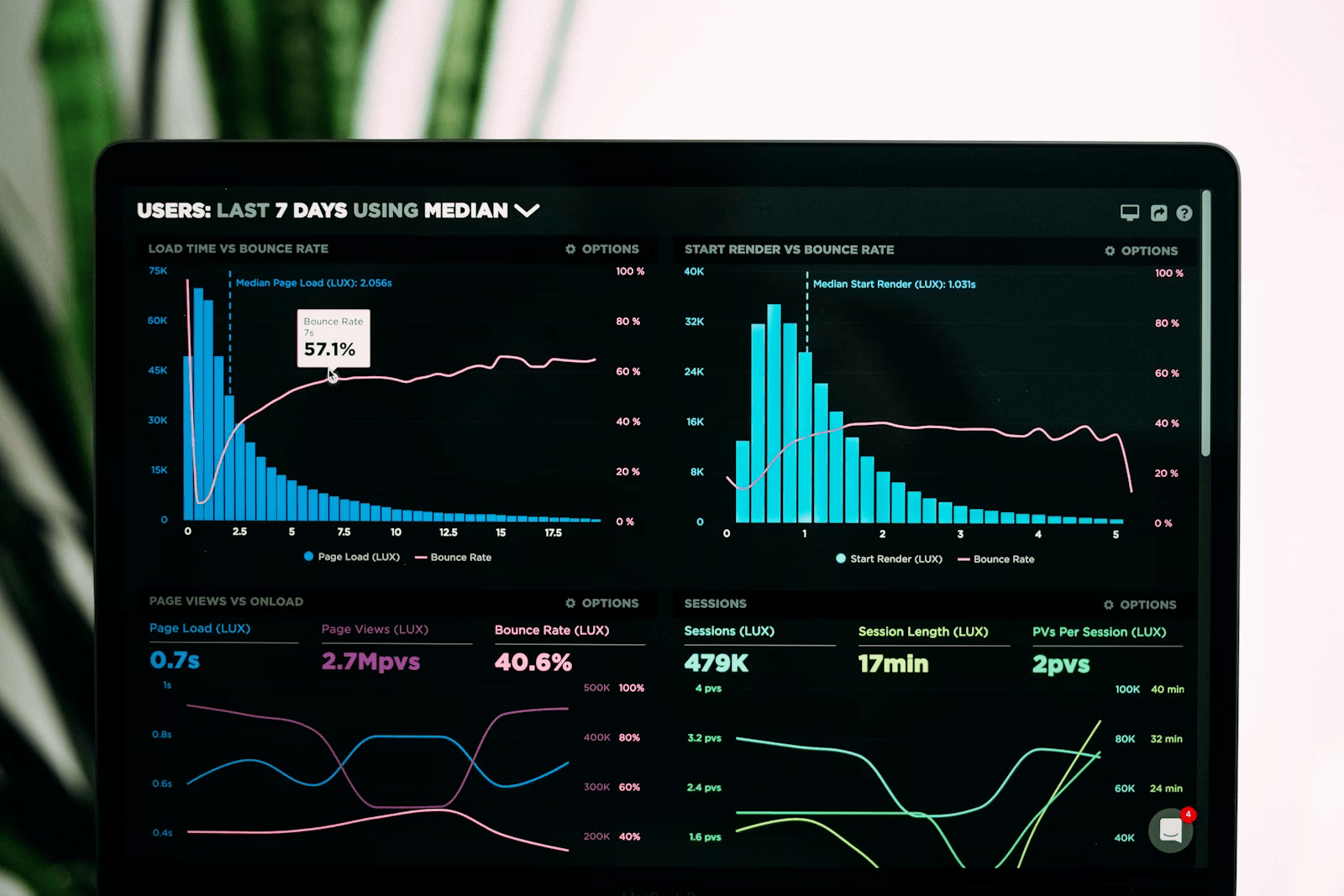
- Management Reports: Key performance indicators (KPIs) and dashboards to support strategic decision-making.
- Bank and Marketplace Integration: Direct connection with financial institutions and e-commerce platforms such as Mercado Livre, Shopee, and Nuvemshop.
Causes and Risks of Decentralized Management
Companies operating without an integrated ERP face severe challenges that compromise profitability. Key issues include data divergence between inventory and sales, delays in issuing tax documents, flaws in receivables control, and slowness in obtaining reliable management reports. This scenario creates hidden costs, wasted staff time, and vulnerability to regulatory and tax requirements.
Practical Benefits of Systemic Integration
Implementing a management system delivers direct and measurable impacts for the organization:
- Operational Efficiency: Drastic reduction in manual re-entry and rework across repetitive tasks.
- Tax Compliance: Automated invoice issuance and reduced risk of non-compliance with tax authorities.
- Systemic Vision: Managers make decisions based on real-time, updated data.
- Scalability: Technological infrastructure supports business growth without requiring proportional increases in administrative staff.
Common Mistakes in Choosing and Adopting an ERP
Many organizations make strategic mistakes when seeking a management solution. Frequent errors include choosing rigid tools that fail to evolve with the company, neglecting employee training, and overlooking integration capabilities with e-commerce platforms and external sales channels. Aligning operational needs with software features is critical to project success.
Action Plan for ERP Implementation
To ensure a successful transition, a structured sequence is recommended:
- Process Diagnosis: Map current workflows across customer service, sales, inventory, and finance.
- Platform Selection: Evaluate systems offering comprehensive support for tax routines and marketplace integrations.
- Data Migration: Cleanse and securely transfer customer, supplier, and product databases.
- Team Training: Train users on their specific operational modules.
- Testing and Go-Live: Conduct practical tests before the final switch to the new system.
Conclusion
Investing in an ERP represents a turning point in a company’s operational maturity. By connecting sales, inventory, finance, tax, and digital channels into a single interface, the organization gains speed, precision, and security, freeing up talent to focus on business expansion and customer relationships.
How ServiceInfo can help
The complexity of centralizing processes and integrating sales channels requires specialized technical support and long-term strategic vision.
ServiceInfo can support your organization in evaluating the technological landscape, structuring operational workflows, and adopting business management solutions tailored to your business reality, with a focus on efficiency, security, and continuity.
Discover ServiceInfo’s solutions and speak with our team to evaluate the next steps.