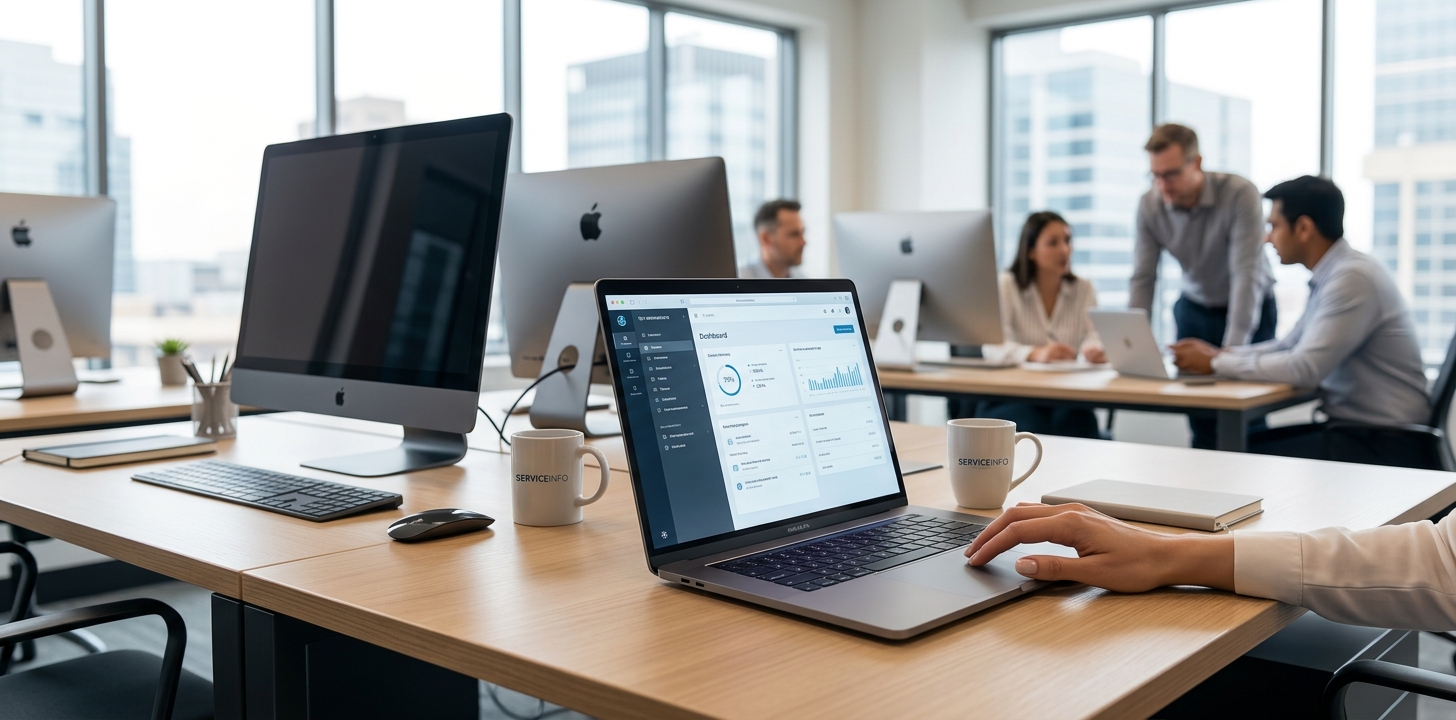
In today’s corporate landscape, characterized by rapid technological advancement, the expansion of hybrid work models, and a constant drive for operational efficiency, IT infrastructure management has become a critical strategic pillar. Companies of all sizes face the ongoing challenge of equipping their workforce with high-performance hardware while simultaneously ensuring data security and strict cost control. In this context, traditional procurement of computers and laptops is rapidly giving way to hardware rental and IT outsourcing models, commonly known as Hardware as a Service (HaaS).
Purchasing IT assets requires heavy upfront capital expenditure (CapEx), tying up resources that could otherwise be invested in the core business. Furthermore, the rapid cycle of technology obsolescence causes purchased hardware to lose value and performance in a short time, leading to escalating maintenance, support, and e-waste disposal costs. Computer rental emerges as a smart, highly sustainable strategy to convert capital expenses into operational expenses (OpEx), delivering budget predictability and operational flexibility.
What is Corporate Computer and Laptop Rental?
Corporate IT equipment rental, known globally as Hardware as a Service (HaaS), involves the continuous provision of hardware infrastructure—including desktops, laptops, workstations, and peripherals—under a subscription or service agreement. Unlike traditional financial leasing, modern IT outsourcing covers not only device provision, but a complete lifecycle management ecosystem, including specialized technical support, rapid equipment replacement, image standardization, and security governance.
By adopting this model, organizations utilize state-of-the-art computers without the burden of physical asset ownership. The IT provider handles maintenance, technology refreshes, warranty management, and replacement logistics during hardware failures, enabling internal IT teams to focus entirely on strategic digital transformation and business innovation.
CapEx vs. OpEx: Transforming the IT Financial Model
A primary driver behind CFOs and IT leaders choosing computer rental is the optimization of financial structures. Shifting from CapEx (Capital Expenditure) to OpEx (Operational Expenditure) yields direct benefits for financial health and corporate governance:
- Cash Flow and Working Capital Preservation: Purchasing dozens or hundreds of laptops requires substantial upfront capital. Rental spreads this cost into predictable monthly installments, keeping working capital free for expansion, marketing, or talent acquisition.
- Tax Efficiency and Deductibility: In many tax jurisdictions, corporate equipment rental expenses are fully deductible as operational operating expenses, optimizing corporate tax liabilities and improving net cash flow.
- Total Budget Predictability: Rental agreements cover maintenance, replacement parts, and support. This eliminates unforeseen expenses associated with out-of-warranty repairs and unexpected hardware breakdowns.
- Elimination of Asset Depreciation Risks: IT hardware suffers severe annual depreciation. Choosing rental removes obsolescence and asset devaluation risks from the corporate balance sheet.
Key Strategic and Operational Benefits of IT Rental
Beyond clear financial advantages, renting desktops and laptops delivers operational benefits that directly drive productivity and business continuity:
1. Continuous Technology Upgrades and End of Obsolescence
The average lifespan of high-performance corporate hardware is three to four years. Past this threshold, performance drops, software incompatibility, and security vulnerabilities become frequent. With rental, contracts include periodic hardware refreshes, ensuring employees continuously operate with fast, secure, and modern machines.
2. On-Demand Scalability and Flexibility
Businesses experience growth surges, temporary hiring, seasonal projects, or reorganizations. Purchasing equipment for short-term needs leads to idle, depreciating assets later. Rental allows fleet scaling up or down quickly, aligning IT infrastructure precisely with operational demands.
3. Specialized Technical Support and Guaranteed Replacement (SLA)
Employee downtime directly impacts revenue. SERVICEINFO rental contracts feature strict Service Level Agreements (SLAs). If on-site repair is not feasible within guaranteed timelines, the device is immediately replaced with a backup unit, minimizing work disruption.
4. IT Standardization and Governance
Managing a fragmented hardware environment across multiple brands, ages, and configurations presents severe operational friction. Rental enables full standardization across the enterprise, streamlining security policy deployment, software licensing compliance, asset tracking, and mass updates.
Risks and Hidden Costs of Purchasing IT Equipment
Organizations often make the mistake of comparing only initial purchase prices against rental fees. The Total Cost of Ownership (TCO) for owned hardware encompasses significant hidden expenses:
| Cost Category | Owned Hardware Model (CapEx) | Rental / HaaS Model (OpEx) |
|---|---|---|
| Initial Capital Investment | High working capital outlay | Zero upfront capital (Fixed monthly fee) |
| Maintenance & Parts | Variable and unpredictable after warranty | Fully covered in rental contract |
| Fleet Management & Logistics | Requires internal IT staff effort | Handled by specialized provider |
| E-Waste & Disposal | Full corporate environmental compliance liability | Managed sustainably by provider |
| Obsolescence Risk | 100% borne by the enterprise | Zero risk (Guaranteed refresh cycles) |
Matching Hardware Configurations to Operational Roles
Different departments require tailored computing power. IT equipment rental allows custom hardware allocation per user profile, optimizing spending:
- Administrative & Operations Teams: Mid-tier laptops or desktops optimized for energy efficiency, enterprise web applications, CRM/ERP platforms, and office suites.
- Hybrid Workers & Sales Teams: Lightweight, ultraportable laptops with extended battery life, robust connectivity, and high-resolution displays for travel and client meetings.
- Engineering, Design & Data Science: High-performance workstations featuring multi-core processors, dedicated GPUs, and high RAM capacities for 3D rendering, engineering simulations, and complex analytics.
Common Pitfalls to Avoid in IT Equipment Rental
To maximize value when transitioning to an IT outsourcing model, steer clear of these frequent mistakes:
- Focusing Solely on Monthly Price: Selecting the cheapest vendor without reviewing SLA guarantees, replacement policies, and support capability can lead to costly operational downtime.
- Misaligning Hardware Profiles: Underprovisioning equipment hinders employee performance, while overprovisioning results in unnecessary operational expense.
- Overlooking Data Sanitization Policies: Ensure the service provider adheres to certified data wiping and privacy compliance standards upon equipment return.
Implementation Checklist for IT Rental Migration
Follow this practical roadmap to execute a seamless transition to corporate hardware rental:
- [ ] Audit current device inventory and categorize users by operational profiles.
- [ ] Calculate the true Total Cost of Ownership (TCO) of your current owned hardware.
- [ ] Establish strict SLA requirements for technical support and turnaround times.
- [ ] Standardize corporate operating system images and security software deployments.
- [ ] Create a structured rollout schedule for device distribution and old asset decommission.
Editorial Conclusion
Renting computers and laptops is far more than a financial convenience; it is a proven strategy for operational agility, security, and business resilience. In a fast-moving corporate environment, redirecting capital toward core innovation while relying on expert partners to deliver modern, fully supported hardware provides a lasting competitive edge.
How SERVICEINFO Can Help
SERVICEINFO specializes in delivering comprehensive IT outsourcing and hardware rental solutions for enterprises demanding reliability, security, and financial predictability. With a robust portfolio of enterprise desktops, corporate laptops, and workstations from leading global manufacturers, we deliver fully configured, policy-compliant devices ready for immediate deployment.
Our solutions incorporate responsive technical support, proactive lifecycle management, SLA-backed device replacement, and stringent security governance. We take the complexity out of IT hardware management so your leadership can focus on driving core business growth.
Contact our specialized IT advisors today to request a customized assessment for your corporate fleet.