
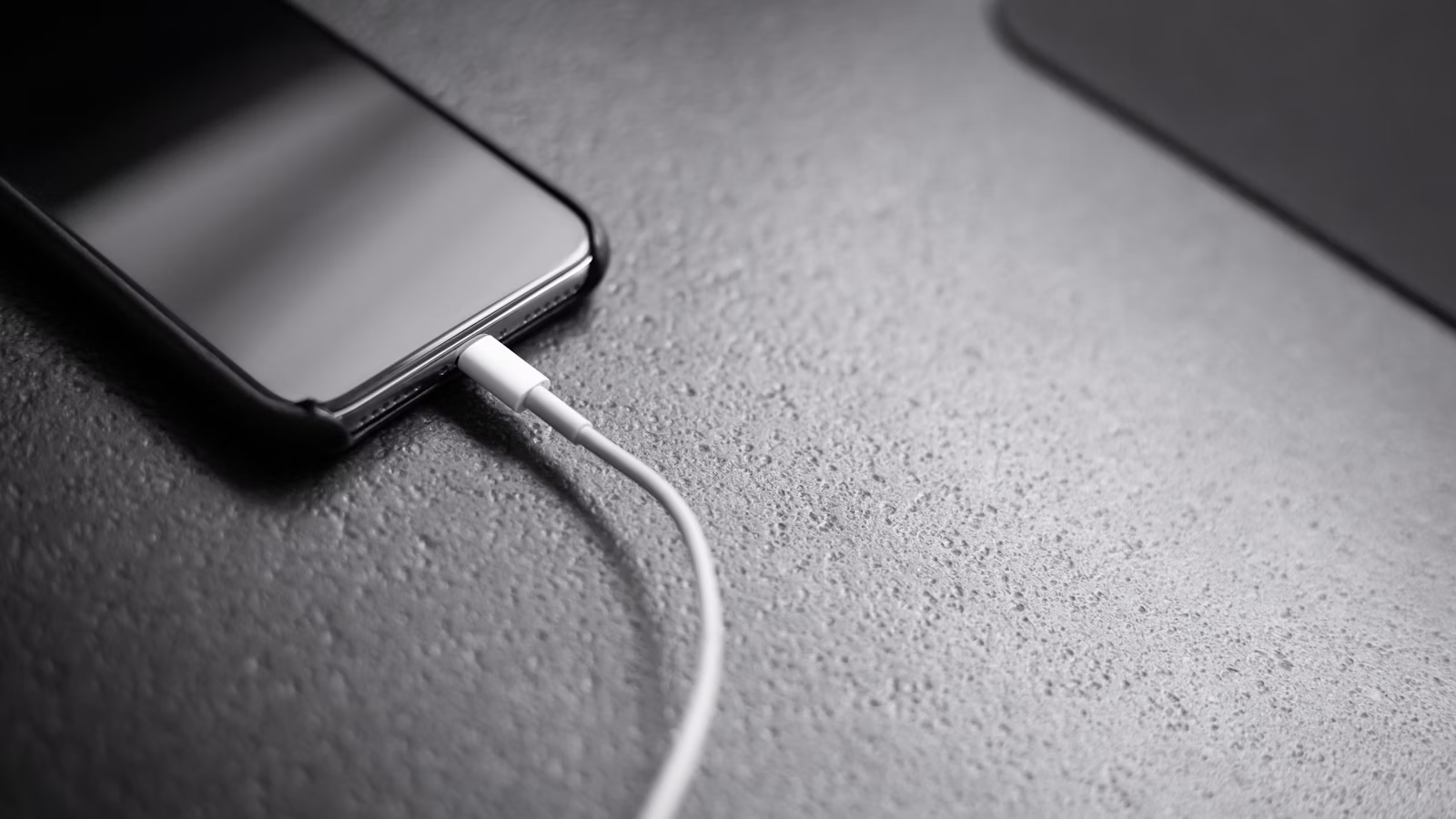
Running low on battery halfway through the day is more than a personal inconvenience. For mobile professionals, field teams, and organizations that rely on authentication, communication, and business apps, an unavailable smartphone can interrupt work, delay decisions, and block secure access to systems. The issue affects Android phones and iPhones alike and usually reflects a combination of display use, connectivity, background activity, temperature, battery condition, and user habits.
Saving battery does not mean switching off everything that makes a phone useful. The practical goal is to find the largest drains, adjust features selectively, and protect long-term battery health. This guide explains how to read battery data, which changes deliver the best balance between runtime and convenience, how Android and iPhone controls differ, and when reduced performance calls for diagnosis or replacement.
Daily battery life and battery health are not the same
Battery life is the time a device runs between charges. It changes with brightness, signal quality, apps, camera use, gaming, navigation, temperature, and screen time. Battery health describes how much capacity the component retains compared with when it was new. Lithium-ion batteries are consumable components that age through charge cycles, time, heat, and operating conditions.
A setting may extend today’s runtime without reversing accumulated wear. Likewise, a healthy battery can still run down early if the phone spends hours at high brightness, searches for a weak mobile signal, and executes demanding apps. Keeping these concepts separate prevents misguided actions, such as resetting a phone when one app is responsible or expecting an aged battery to regain its original capacity.
Find out where the energy goes
Start with the operating system’s battery dashboard before changing multiple settings. It lists consumption by app and, on many devices, separates on-screen use from background activity. Compare the results with your actual routine. A video meeting app used for several hours may legitimately lead the list; an app that was barely opened but consumed a large share deserves attention.
Consider recent changes as well. System updates, backup restoration, photo synchronization, and indexing can temporarily increase activity. Restart the device, update the operating system and apps, and observe another normal cycle. If one app remains an outlier, review its permissions, notifications, and background access. Reinstalling can resolve a specific fault, but it should not be the default response to every battery concern.
Focus on the display, signal, and demanding workloads
The display is often one of the largest consumers. Lower brightness to a comfortable level, use automatic brightness when it behaves reliably, and shorten the screen timeout. High refresh rates, always-on display features, and bright video playback also require more power. Dark mode can save energy on OLED displays in some conditions, but it is not a substitute for sensible brightness and screen-time management.
Connectivity matters too. In weak coverage, the modem works harder to maintain service. When appropriate and secure, stable Wi-Fi may be more efficient than mobile data. Turn off tethering when a session ends, avoid unnecessary long streams, and consider airplane mode where no service exists and calls are not expected. Modern Bluetooth uses little energy while idle, so disabling it is worthwhile mainly when no accessory or workflow depends on it.
Camera use, gaming, augmented reality, GPS navigation, video meetings, and media editing combine the processor, display, sensors, and network. No single setting makes these workloads free. On a critical day, shorten sessions, download content in advance, reduce resolution where appropriate, and maintain a safe charging plan.
Manage apps without breaking essential functions
Frequent notifications wake the screen and encourage synchronization. Keep essential security, work, and communication alerts, but silence promotions and low-value channels. Review location access: reserve continuous permission for apps that genuinely require it and prefer “while using” for the rest. Apply the same judgment to background refresh, account synchronization, and widgets.
Aggressive restrictions can delay messages, uploads, tracking, or authentication. On managed phones, do not limit device management, security, VPN, or communications tools without checking IT policy. The best configuration cuts waste while keeping critical processes predictable. Make one meaningful change at a time and confirm its effect in the battery report.
How to save battery on Android
Menu names differ across manufacturers, but the process usually begins under Settings > Battery. Enable Adaptive Battery or the manufacturer’s equivalent and keep ordinary apps in an optimized mode. For an app with unusual consumption, inspect its battery usage page before choosing a restriction. Avoid restricting urgent messaging or corporate services that require immediate delivery.
- Schedule Battery Saver at a level that matches your daily routine.
- Use adaptive brightness, a shorter timeout, and dark theme on compatible displays.
- Review high-usage apps and remove accounts that are no longer needed.
- Disable tethering, persistent GPS use, and network scanning when unnecessary.
- Keep Android, Google Play system components, and apps updated.
Battery Saver may limit background work, visual effects, network access, and performance. It is valuable when charge is low, but some processes may be delayed. Recent Pixel models also provide Adaptive Charging and, on supported devices, an 80% charge limit intended to prioritize longevity. Other vendors provide similar functions under different names and with different behavior, so consult the support information for the specific model.
How to save battery on iPhone
On iPhone, open Settings > Battery to review usage, activity, and system suggestions. Low Power Mode temporarily reduces work such as fetching, background updates, and some visual effects. It is useful for stretching the remaining charge during travel or a long workday, but it does not need to remain enabled when its limitations interfere with necessary tasks.
- Lower brightness, adjust Auto-Lock, and assess Always-On Display on compatible models.
- Review Background App Refresh and location services app by app.
- Use trusted Wi-Fi when available and avoid leaving Personal Hotspot enabled.
- Check Battery Health & Charging to understand capacity and optimization features.
- Use Optimized Battery Charging and consider a charge limit on supported models.
On compatible hardware and software, Apple also provides Adaptive Power, which can make small adjustments based on recent usage patterns. Features vary by iPhone model and iOS version. After an update, the system may perform temporary background tasks; battery insights can provide this context and help users avoid treating a short-lived change as a permanent defect.
Charge safely and support long-term health
Heat is particularly harmful to batteries. Do not leave a phone in direct sunlight, inside a hot vehicle, or covered while it performs demanding work. If it becomes unusually warm while charging, stop intensive activities, remove heat-trapping accessories when safe, and allow it to cool. High temperature accelerates aging and can temporarily reduce performance and charging speed.
Modern batteries do not need regular 100-to-zero discharges for “calibration.” Partial charging is normal. Optimized charging features reduce time spent at a full charge and should remain enabled when they fit the user’s schedule. Use compatible cables and adapters in good condition from reliable suppliers. A higher-rated adapter does not force the phone to accept more power than its charging system negotiates, but unsuitable accessories can perform poorly or create safety concerns.
Common mistakes and battery myths
- Force-closing every app repeatedly: this does not always reduce consumption and can trigger fresh launches. Act on apps that show abnormal behavior.
- Disabling every connection: the benefit may be small while the functional cost is high. Focus on poor signal, tethering, and continuous location.
- Installing unknown “optimizer” apps: some add advertising, background processes, and privacy risk. Prefer built-in controls.
- Ignoring heat: pursuing runtime while exposing the device to high temperatures undermines longevity.
- Confusing wear with a software fault: reduced physical capacity requires an appropriate service assessment, not endless settings changes.
Why this matters to people and businesses
Balanced battery management improves availability without weakening security. Organizations should consider shifts, coverage, mandatory apps, update policies, and replacement cycles. Disabling protective controls to gain a few minutes creates disproportionate risk. Standardized guidance, suitable charging options, and device-health monitoring are more reliable.
Battery longevity also affects cost and sustainability. Good thermal and charging practices can postpone replacement, while clear criteria help teams replace a component before it disrupts operations. A device with unusual heating, shutdowns, deformation, or a swollen battery should be removed from service and handled according to manufacturer or authorized service guidance. Users should not open or press a damaged device.
A practical battery-saving checklist
- Open the battery report and identify whether display, signal, or apps dominate.
- Adjust brightness, timeout, and always-on display behavior.
- Enable native optimization and schedule the power-saving mode.
- Review location, notifications, synchronization, and background access per app.
- Prefer trusted Wi-Fi and turn tethering off after use.
- Update the operating system and apps, then observe a normal cycle.
- Avoid heat and keep optimized charging enabled.
- Preserve required business and security tools.
- If runtime remains poor, review battery health and seek authorized support.
Consistent decisions deliver better runtime
The strongest results come from a small set of evidence-based changes: manage the display, avoid prolonged weak-signal conditions, limit unnecessary background work, use native power modes, and protect the device from heat. Android and iPhone expose different controls, but the principle is the same: measure before restricting and balance efficiency with functionality.
When consumption changes suddenly, investigate software updates and apps. When capacity declines gradually, consider natural aging. This distinction turns a collection of battery “tricks” into responsible device management.
How ServiceInfo can help
Smartphone availability supports communication, authentication, and productivity across modern operations. Coherent configuration and lifecycle policies help organizations prevent interruptions and avoid improvised decisions.
ServiceInfo can help your organization assess its technology environment, define priorities, and adopt responsible practices that balance efficiency, security, and continuity without compromising essential controls.
Explore ServiceInfo’s solutions and talk to our team about practical next steps for your environment.